
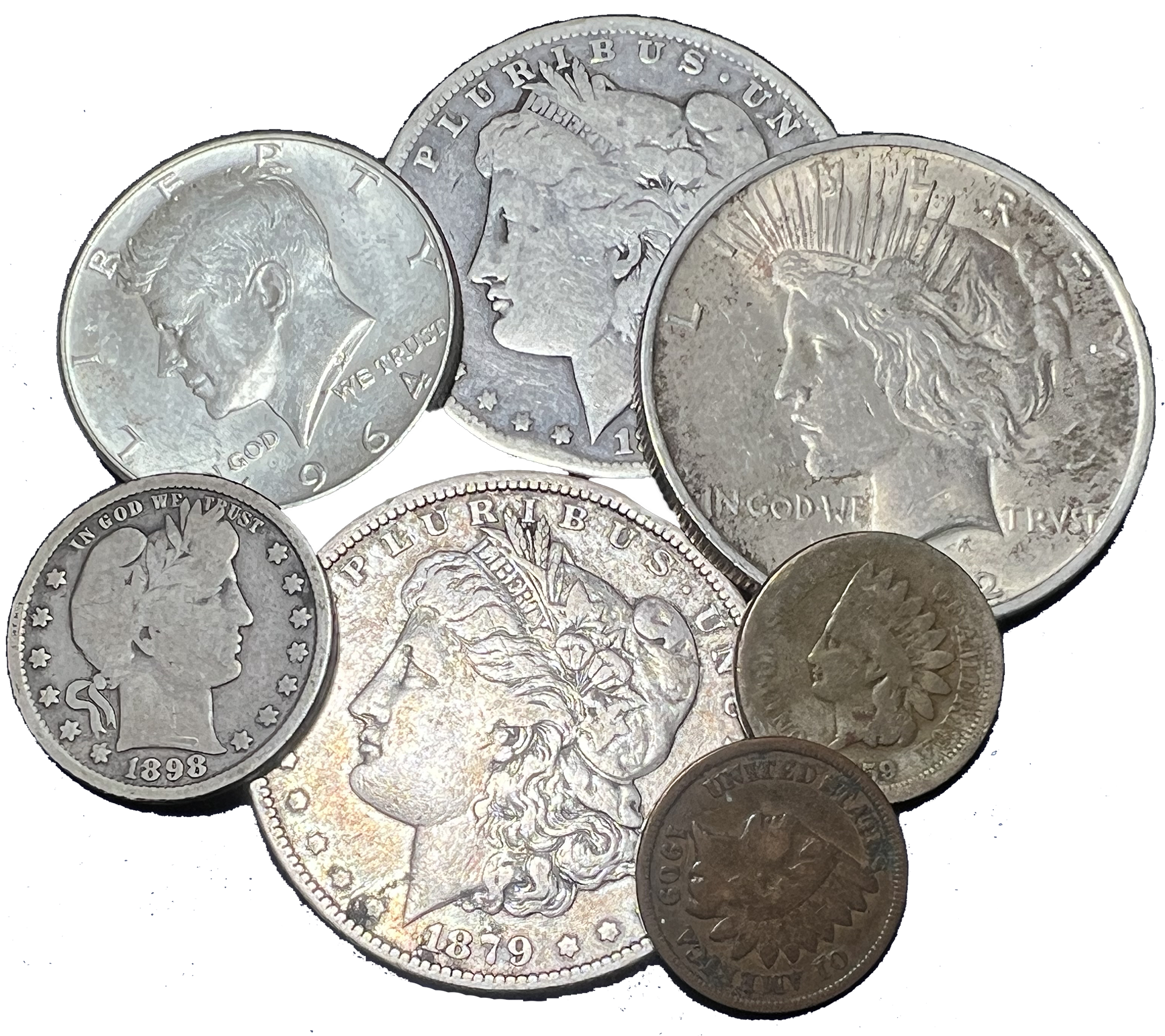
Starting Your Collection
- Decide on a Focus
- Type Sets: Collect one of each type of coin (e.g., all US quarters).
- Date Sets: Collect all coins from a particular year or mint.
- Series Sets: Collect all coins from a specific series (e.g., Lincoln pennies).
- Themes: Collect coins with a specific theme (e.g., commemorative coins).
2. Set a Budget: Determine how much you’re willing to spend initially and on an ongoing basis.
3. Learn About Coin Grading: Understanding coin grades (e.g., Fine, Very Fine, MS-60, etc.) will help you make informed purchases and assessments.
Where to Find US Coins
- Local Coin Shops: Visit coin dealers in your area for guidance and purchases. They can be a great resource for advice and often have a range of coins available.
- Coin Shows: Attending coin shows is a good way to see a large variety of coins and interact with collectors and dealers.
- Online Marketplaces
- eBay: Useful for finding specific coins, but be cautious and check seller ratings.
- Numismatic Websites: Websites like the American Numismatic Association (ANA), CoinWorld, and Heritage Auctions offer a wealth of resources and coins for sale.
- Bank Rolls and Change: Checking your everyday change for older or rare coins can be an easy and cost-effective way to find interesting pieces.
- Estate Sales and Auctions: Sometimes, coins can be found in estates or at auctions.
Educate Yourself on Coins
- **a. Books and Guides: Invest in a few numismatic books or guides, such as the “Red Book” (A Guide Book of United States Coins) by R.S. Yeoman, which is a valuable resource for collectors.
- **b. Join a Club: Consider joining a local or national coin club to meet other collectors and learn more about numismatics.
Whether you are dealing with a local coin dealer or online with eBay, It is important to try to learn some of the numismatic lingo. Some of this can be simple abbreviations. Here are a few:
- AU = About Uncirculated
- EAC = Early American Coppers
- ED = Environmental Damage
- EF = Extremely Fine
- FS = Full Steps
- LIB = Liberty Head
- MS = Mint State
- PL = Proof Like
Online Coin Research
**a. Pricing Learning prices of what the coins you are interested are going for on the fair open market, What many of us dealers and collectors consider a fair price can be found on eBay. You need to do a search for your item and filter the listing to show completed sold. This is very important. People can ask anything for their coins. That not what people will pay. We want to have coms or comparable coins. This means it is very close to the coin you are interested in. Color patina and all-around grade. An educated consumer or collector is a smart one. This numismatics is all about research and more research.
Why Not to Clean Coins?
- Value Preservation: Cleaning can reduce a coin’s value. Collectors and dealers prefer coins in their natural state, as cleaning can scratch, dull, or otherwise damage the surface. Never clean your coins!
- Surface Damage: Cleaning can remove or alter the coin’s patina, which is the natural aging effect that contributes to its value and historical appeal. Abrasive cleaning can cause scratches and hairlines.
- Professional Cleaning: If a coin is extremely dirty or has a lot of tarnish, professional conservationists have specialized methods for cleaning that preserve the coin’s value and condition.
How to Store a Coin Collection
Storage Options
- 2×2 Coin Holders: Small holders with two sides that seal the coin between them. Good for individual coins and easy to label.
- Flip Holders: Plastic or Mylar holders with a flap that can be sealed. Allows for easy viewing but less protection compared to capsules.
- Acrylic Coin Capsules: Provide excellent protection and are often used for valuable coins. They come in various sizes to fit different coin types.
- Coin Albums: Books with slots or pockets where coins can be placed. Good for organizing by series or date.
- Binders with Plastic Sheets: Allow for customizable storage with various pockets for different coin types or sizes.
- Coin Storage Boxes: Designed to hold various holders or capsules. Often lined with a soft material to prevent scratches.
Environmental Conditions
- Humidity Control: Use silica gel packets or other desiccants in storage areas to keep humidity low and prevent rust or corrosion. Store coins in a climate-controlled environment, avoiding damp or overly humid conditions.
- Temperature Control: Maintain a stable room temperature. Avoid extreme temperature changes, which can cause condensation and damage.
- Light Exposure: Store coins in a dark or low-light environment to prevent tarnishing or fading.
How to Organize a Coin Collection:
Organizational Systems
- By Type or Series: Group coins by type (e.g., all pennies, nickels, quarters) or by series (e.g., Lincoln cents, Washington quarters). Use albums or binders with sections dedicated to each type or series.
- By Date or Mintmark: Organize coins chronologically or by mintmark if you’re collecting a date set or mint set. Albums often have slots for each year and mintmark.
- By Theme or Collection Focus: If your collection has a specific theme (e.g., commemorative coins, coins from a certain historical period), organize accordingly. This might involve custom displays or specialized albums.
- Labeling: Use labels or tags to identify each coin’s details. This can include the year, mintmark, and any special features. Many coin holders and albums have space for labeling.
- Inventory Management: Keep a written or digital record of your collection. Note details like purchase dates, costs, grades, and any relevant historical information. This helps with tracking and future reference. Many of us use a code system to keep track of what we paid for the coin. This system uses a chosen symbols or letters to represent numbers. For instance Blackstone. B is 1, L is 2 and so on. You put this on the back of your flipped coin and when you show it no one knows the price you paid.
I hope all this helps in your coin collection experiences. Remember its not all about the price and money, its about having fun. Imagining the history the coin has been through and all the hand that have touched it. Holding something that people a long time ago used to purchase things, pay off loans, for basic things in their lives.
Good luck and happy collecting!
– William Halchuk