

A History of US Dollar Coins
(with examples from our stock on the website, and on eBay, Amazon, and our other coffers)
Early Precious Metal Dollars
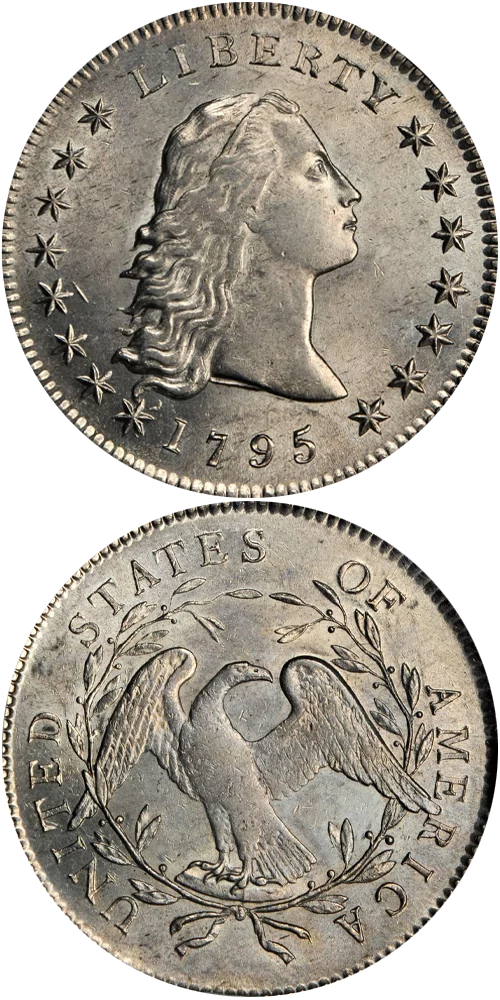
The first commonly minted US dollar coin was the 1794 Flowing Hair dollar coin (image 1). This coin entered circulation two years after the US mint was established, but it would only mint until 1803. These coins were 90% silver and balance copper, making them incredibly valuable as silver was a large export from the New World. This ultimately proved to be their undoing as many of the first dollar coins were gifted as diplomatic favors or otherwise exported because of their metallurgical worth. With so few dollar coins actually in US commercial circulation, President Jefferson canceled the minting of the first US dollar in 1804, making the very rare 1804 US silver dollar incredibly valuable. These Flowing Hair dollars had many variations because early dies (the steel stamps that would be hammered onto coins to give them their designs) were all hand-carved. Technically, in 1795, the Flowing Hair coin had a larger change to the Draped Bust dollar, but considering the theme was still the same, this Draped Bust dollar is not considered a full change in title, just a redesign.
The dollar coin was continued in 1836 with the advent of the Seated Liberty Dollar. (image 2) These were minted in very small quantities and, like the Flowing Hair dollars before them, were mainly used as gifts for dignitaries but did see limited circulatory use. These silver dollars were minted until 1873, when two main factors rendered their use infeasible:
- Firstly, in 1853, as the price of precious metals rose, the US reduced the size of all coins by 6.9%, so that their melt value (the value of the metals within the coins, not counting their face and numismatic value) would not exceed face value. This reduced their appeal as international favors.
- Secondly, a silver rush in the late 1850s meant that the price of silver plummeted, and when silver dropped below the price of the coin, the US Treasury worried that people with large quantities of these dollars would turn them in en masse to the treasury and essentially rip them off.
A lack of silver coinage prompted the US to institute a Free Silver policy. The Free Silver policy, similar to what Florida is attempting to install now, is where any piece of silver of a certain certifiable weight and purity is allowed to be exchanged in the place of standard circulated American currency. This Free Silver policy killed the silver dollar, as it was much cheaper and easier to just have hunks of silver to use instead of a specially minted coin.
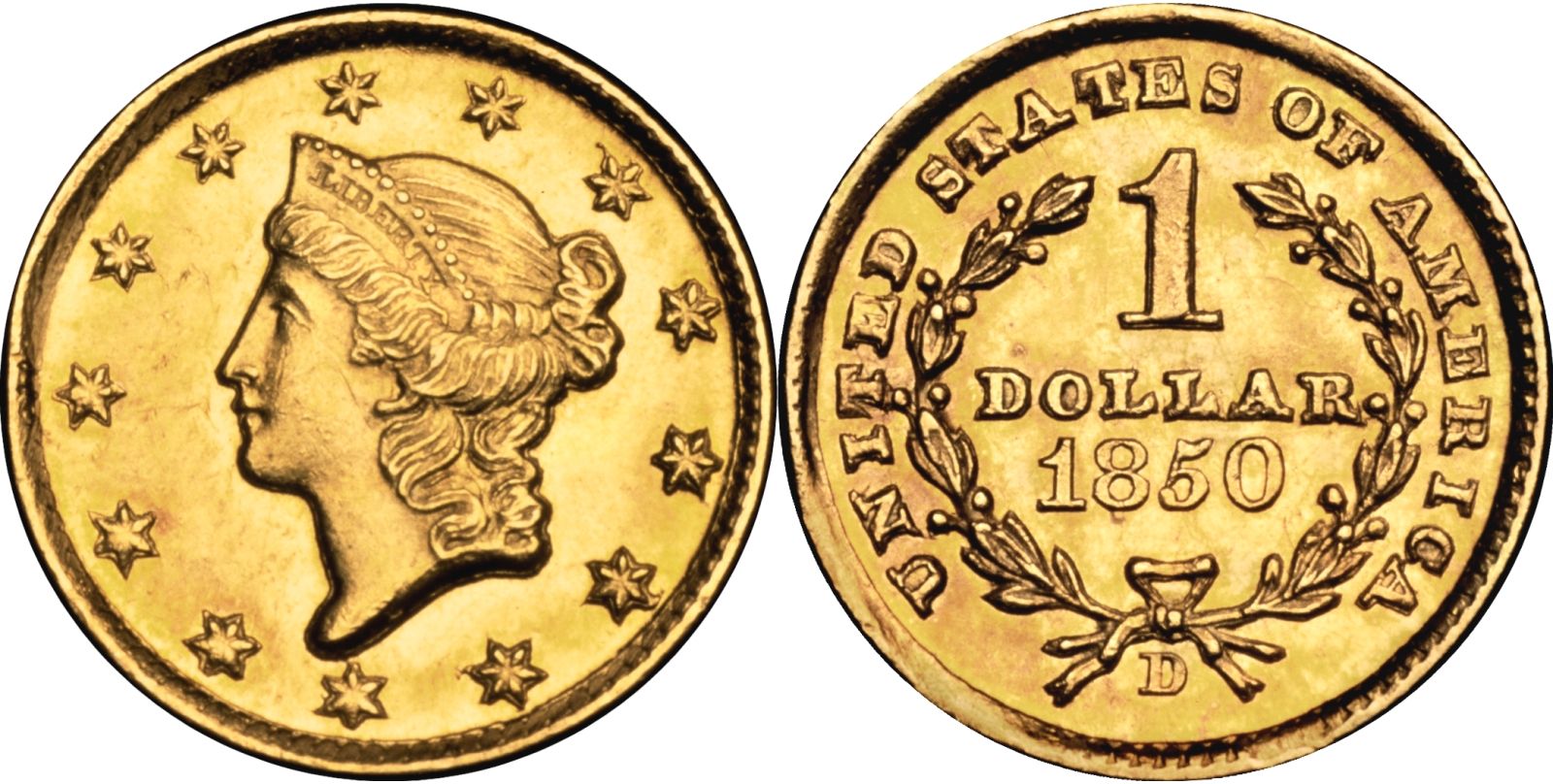
Also minted were Golden Dollars (image 3). Made of 90% gold and balance copper these coins were minted during and after the gold rush due to the falling price of gold and a desire to include federally processed gold into circulation. Few gold coins worth a dollar were minted after 1863 because the price increased post-gold rush, meaning the metal became worth considerably more than a dollar except in very very small coins (fun fact: a coin the size of a dime made of 90% gold would be worth $217 dollars in July 2025). The gold dollar was minted in fairly large quantities from 1849 to 1863 but continued in small amounts until 1889. This remains the smallest denomination ever for a gold US coin.
Disclaimer: these coins are very rare and valuable, so whatever we get in sells quickly, and we do not currently have any in stock. Here are some reference images that we do not sell
The Metaphorical Golden Age of Silver Dollars
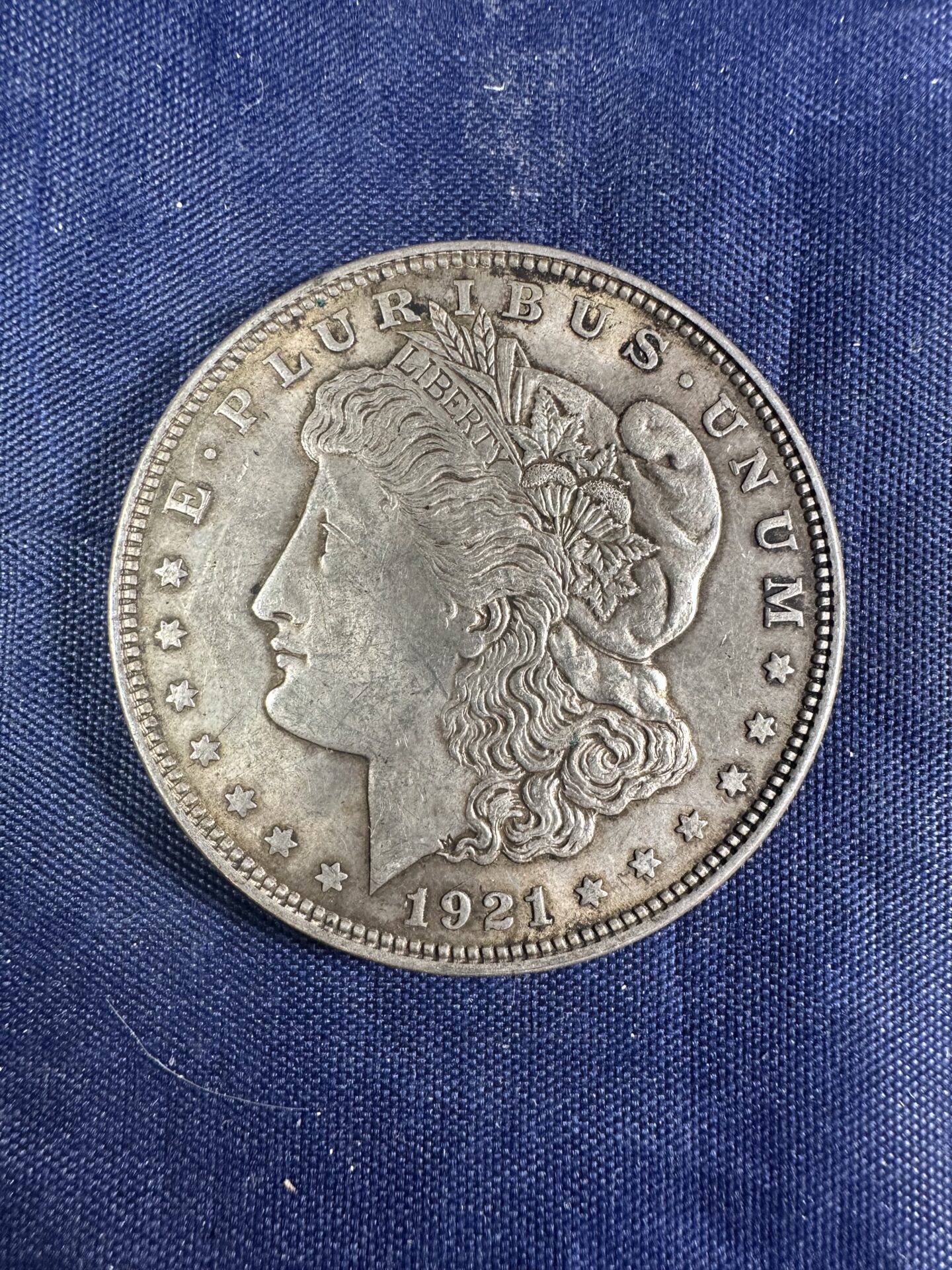
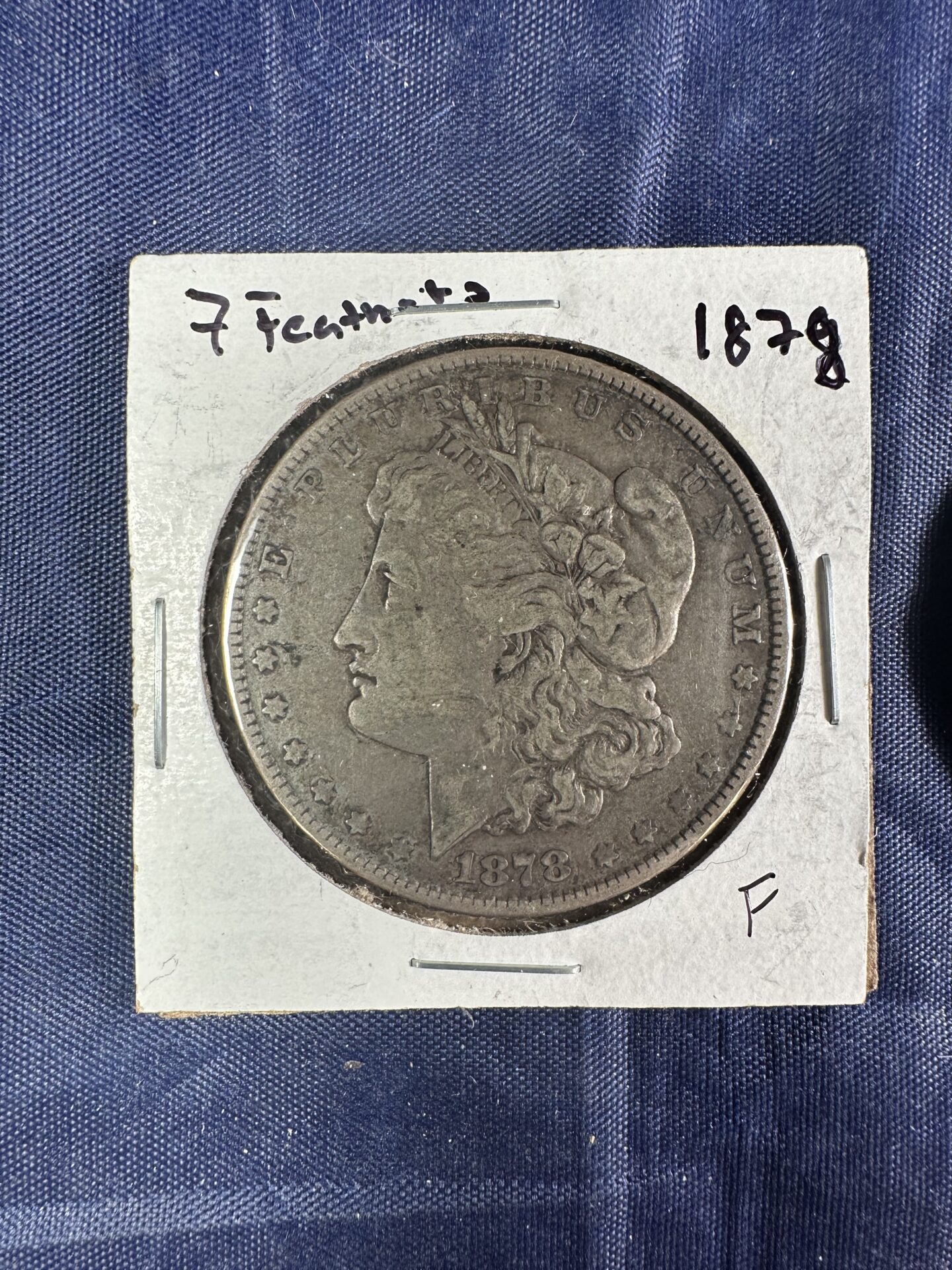
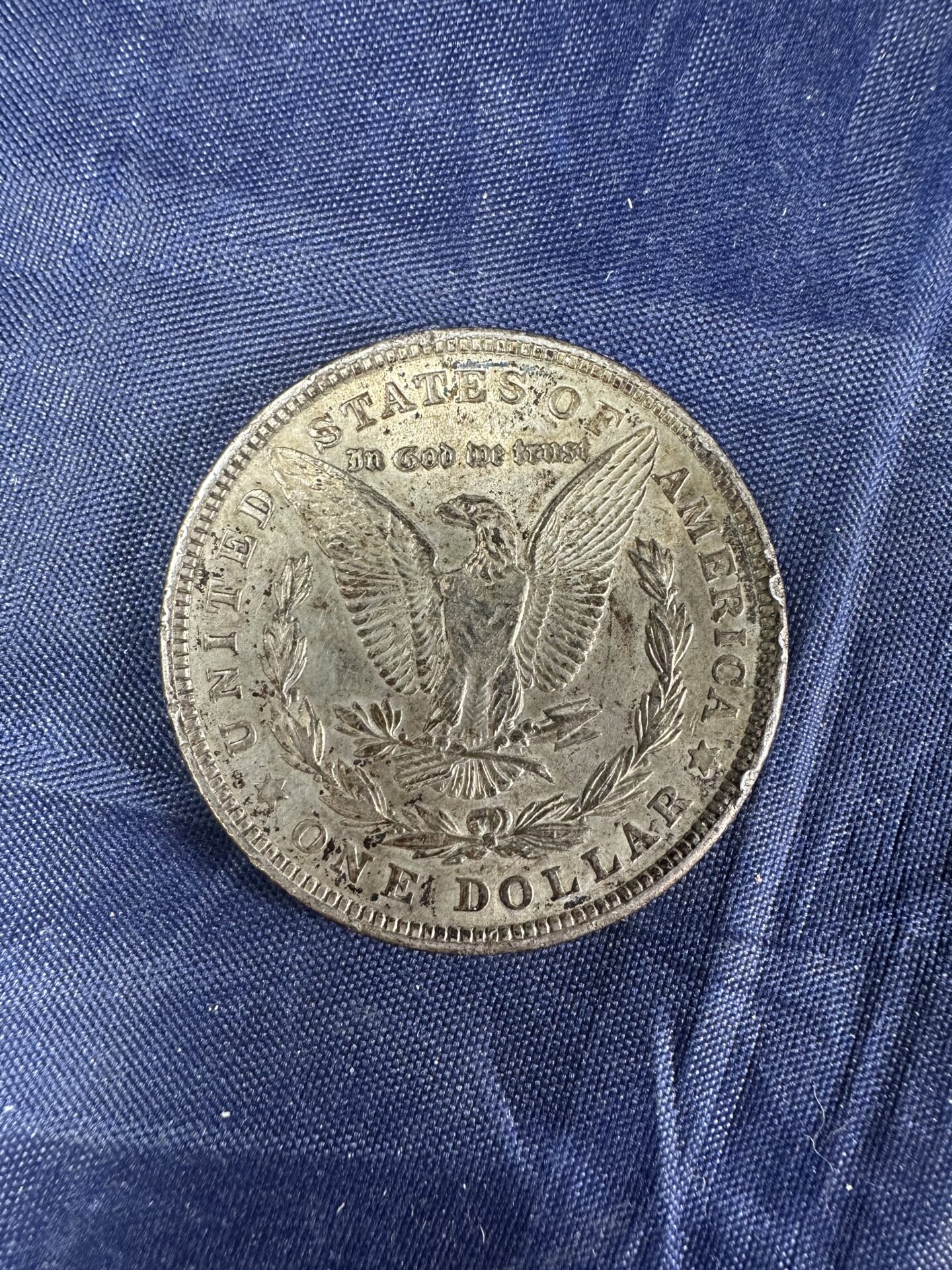
Beginning in 1878, as the silver price recovered from the Comstock Mine silver rush, the US began producing what would become the most popular coin among American Numismatists: The Morgan Silver Dollar. Named after its designer, George T Morgan, a US Mint assistant engraver, the Morgan Silver Dollar was modeled after Anna Willess Williams and maintained the 90% silver standard. However, because of the size and weight, the paper dollar was more favored, and Morgan Dollars largely rested in vaults. This resulted in so many Morgans being such high grades now, because they were rarely used even though they were circulated in great numbers. There was a 17-year pause in the minting of Morgans, starting in 1904 when the US Silver reserves were all but gone, but in 1921, the US briefly resumed minting the coins. Minting most of a year’s worth of Morgans before switching to the Peace Dollar design.
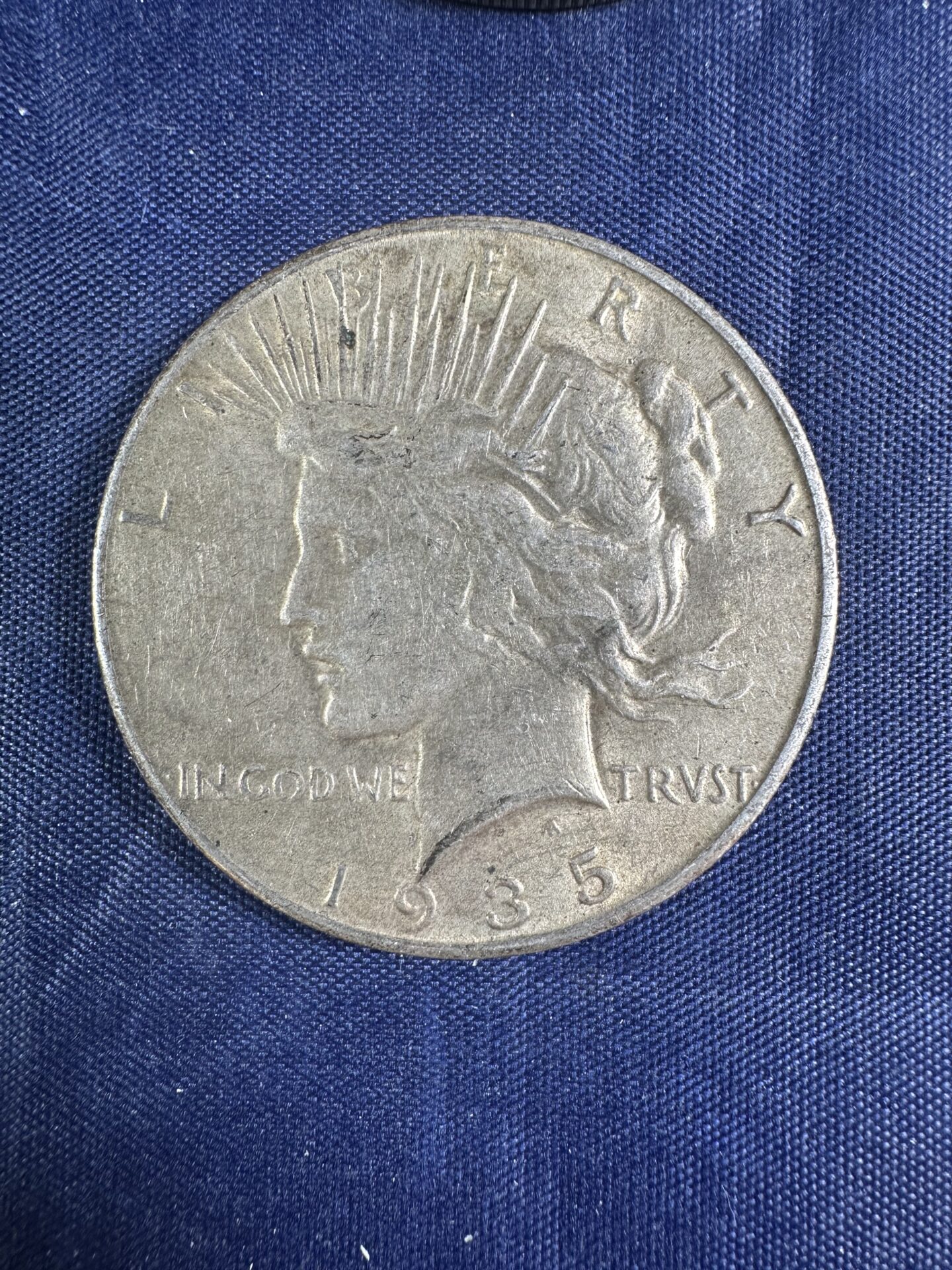
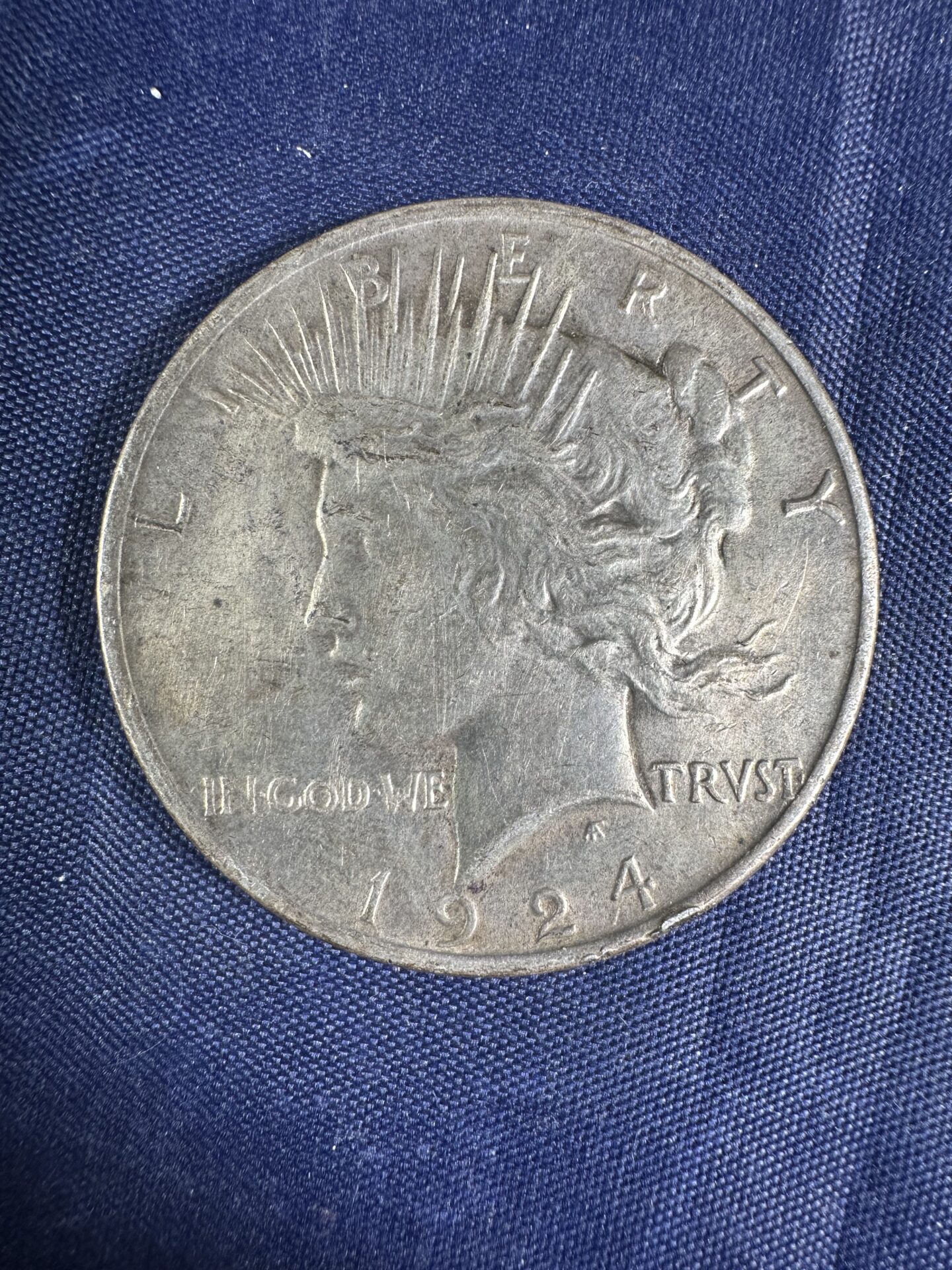
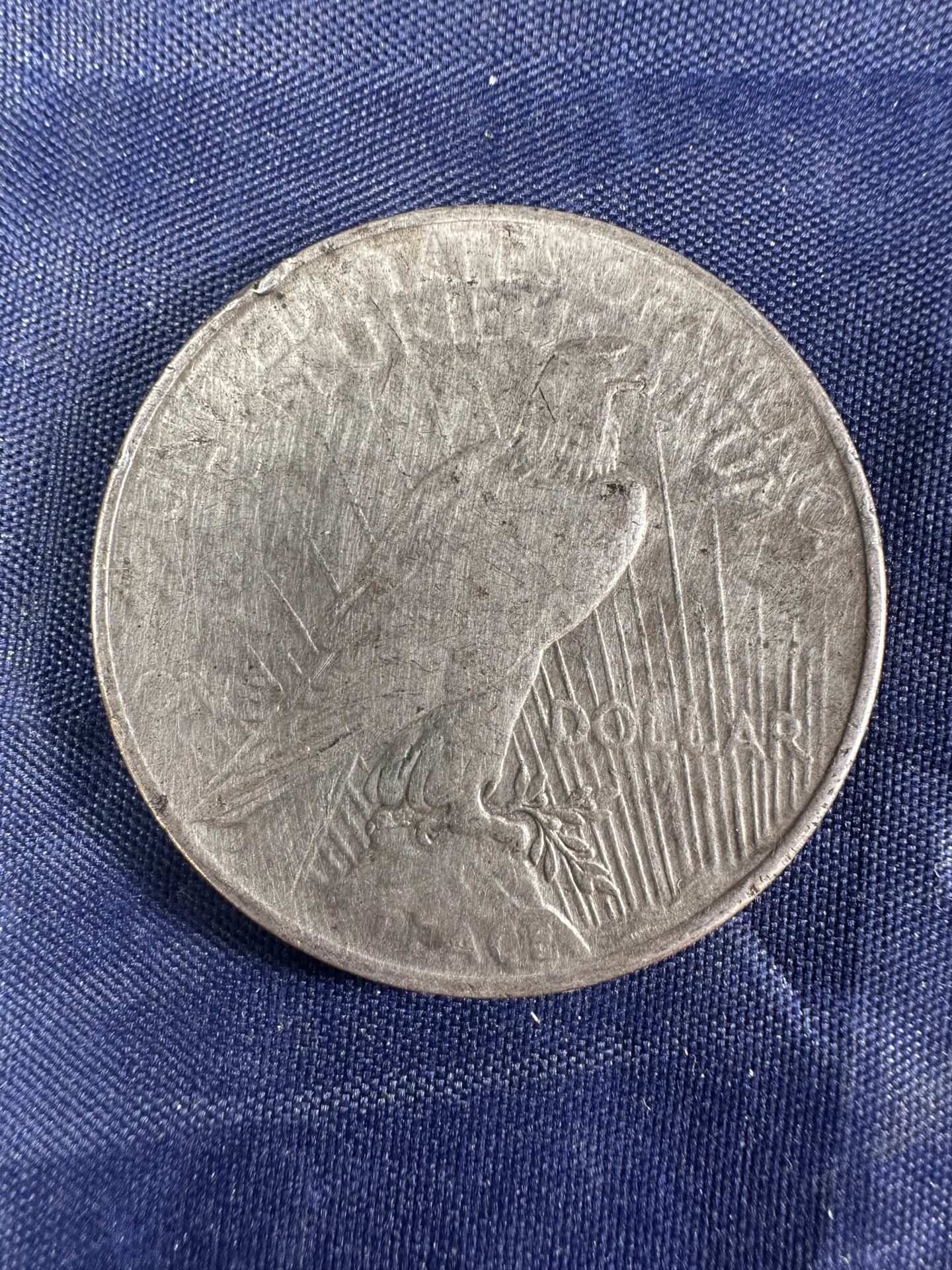
Nearly as acclaimed as Morgans, the Peace Dollar was minted to commemorate the ending of The War to End All Wars. The design of the Peace dollar came from a competition held by the mint to find the best design emblematic of peace. This competition was won by Anthony de Francisci, a naturalized Italian immigrant. The design was of de Francisci’s wife and was intentionally reminiscent of the Statue of Liberty. Teresa de Francisci herself remarked that as a child, she struck a pose imitating the Statue of Liberty as the steamer she took from Italy passed it, feeling that it symbolized the new freedom she would have in America. As with all previous silver dollars the Peace dollar was 90% silver and balance copper, though unlike the Morgans it was only minted at the Philadelphia, Denver, and San Francisco Mints. The Peace Dollar was paused in 1928 due to the depression but reappeared for a brief two year run in ’34 and ’35, ending due to a lack of commercial appeal in the face of inflation.
Intermission (1936-1970)
“Silver” Dollars in the second half of the 20th century
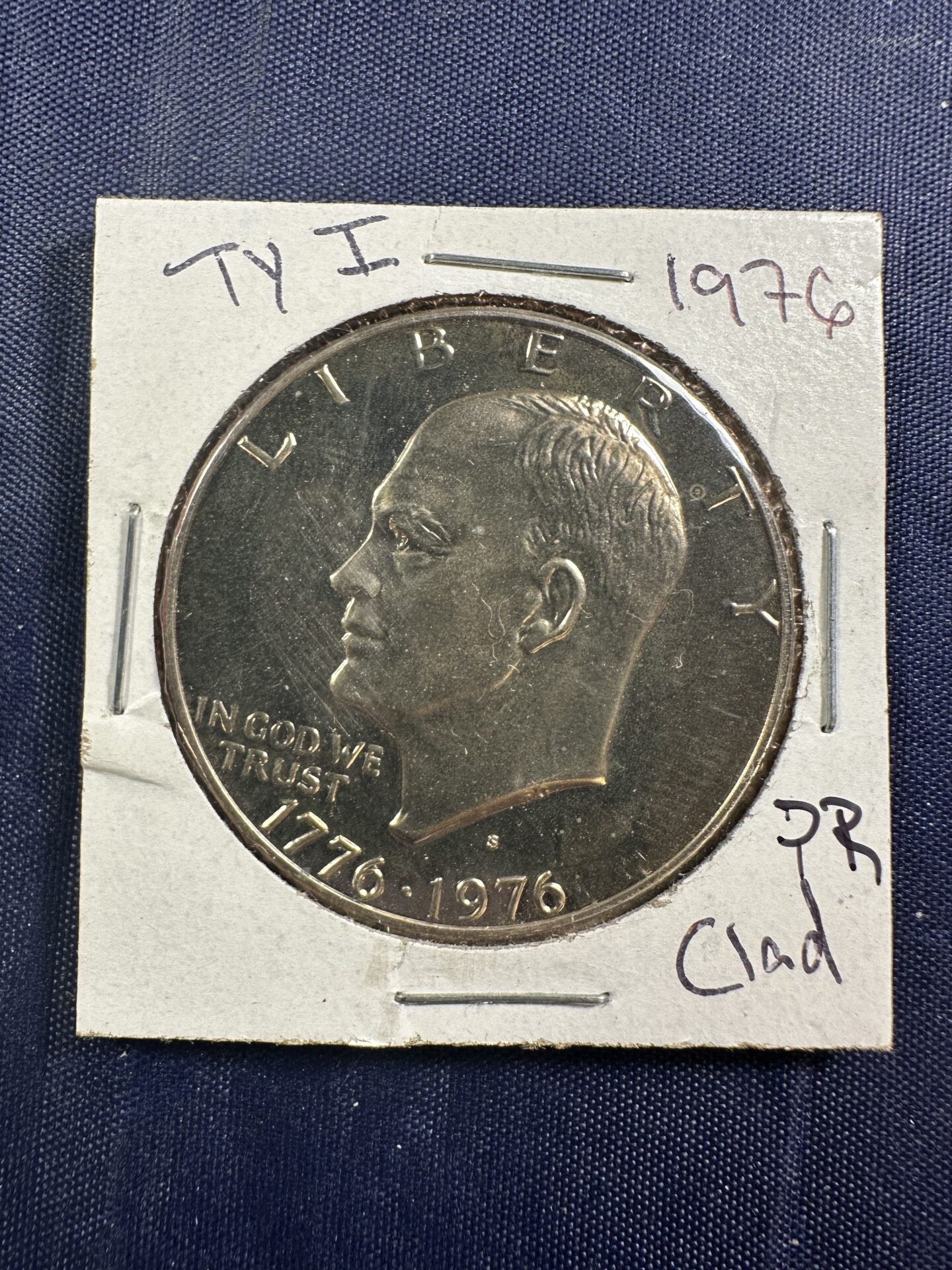
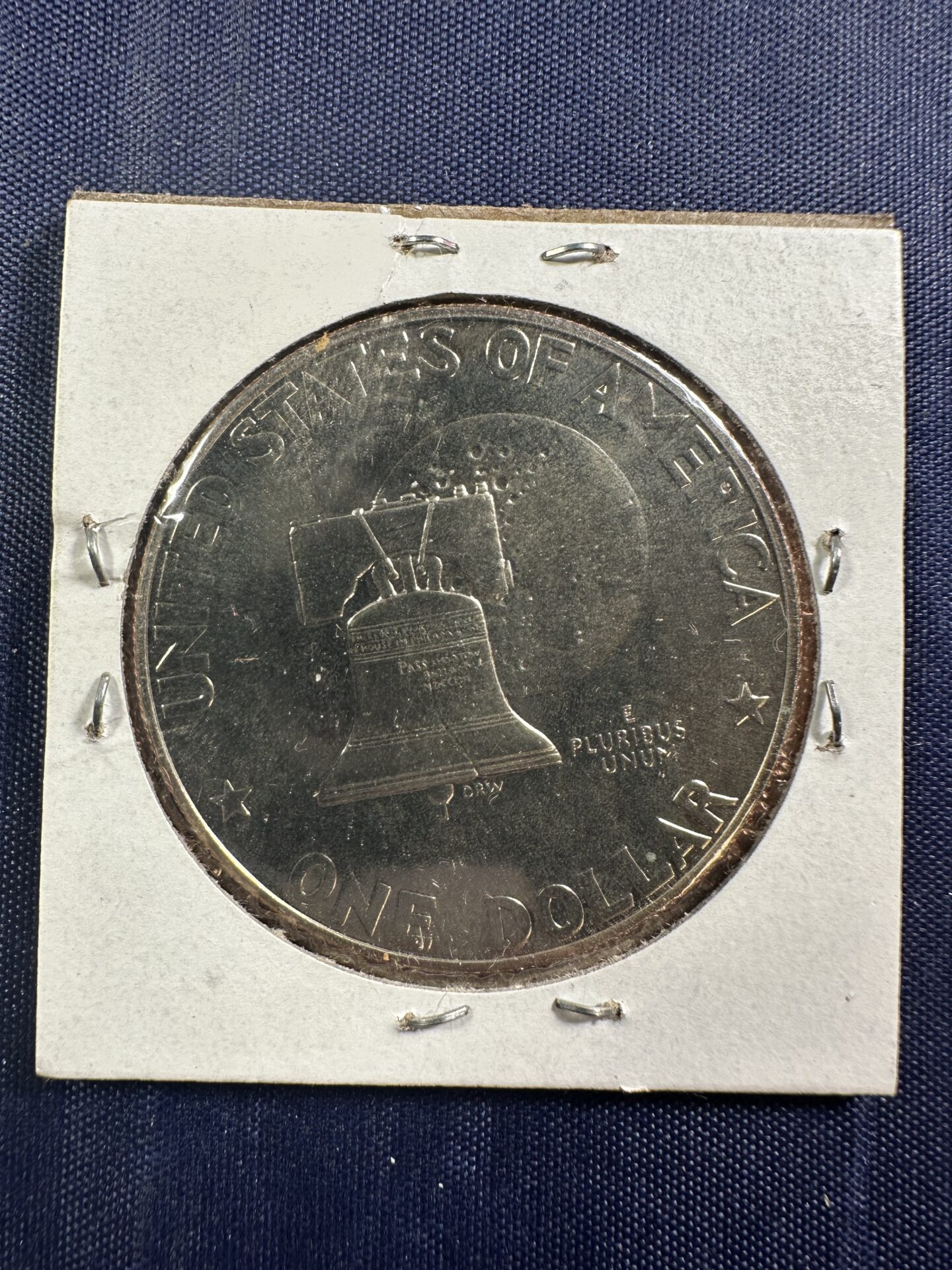
Breaking the drought of silver dollars in 1971 was the Eisenhower Dollar. On its obverse a bust of the 34th president then two years deceased, and on the reverse an eagle landing on the moon to celebrate the Apollo 11 mission. In 1975 and 1976 the obverse was briefly switched to the Bicentennial Liberty Bell and Moon design. The biggest difference between the Ike Dollar and previous US dollars is that it contained no silver or gold. Due to rising prices and the standard of the size of dollar coins it was not reasonable to make a dollar coin made of very precious metals in the 70s (though there was a 1990 Eisenhower Centennial Silver Dollar to honor the 100th anniversary of his birth which was made of 90% silver). That said, Ike Dollars have remained very popular because of the sheer number of them and the history they represent. There are three types of typical Eisenhower Dollars, not including the Bicentennial, all differentiated by the Caribbean. The islands visible on Earth in the background of the coin demarcate it as Type 1, Type 2, or Type 3. Type 1 shows a cluster of three small islands to the southeast of Florida, Type 2 (the most valuable) shows only Cuba, and Type 3 shows a larger island and two small islands next to it. These differences are so minute that they really only visible under a magnifying glass and with the coin in good condition, but they do impact price.
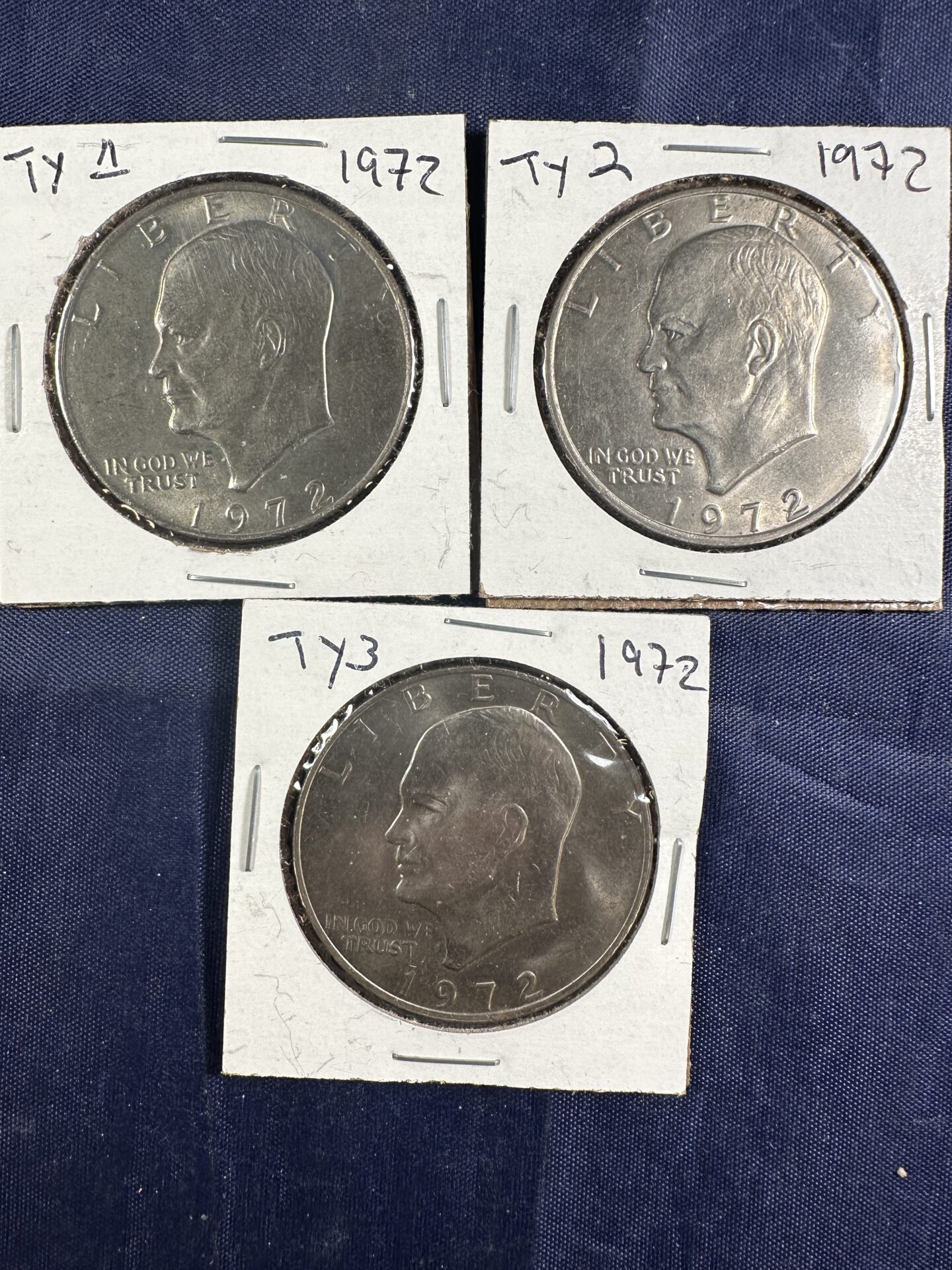
-
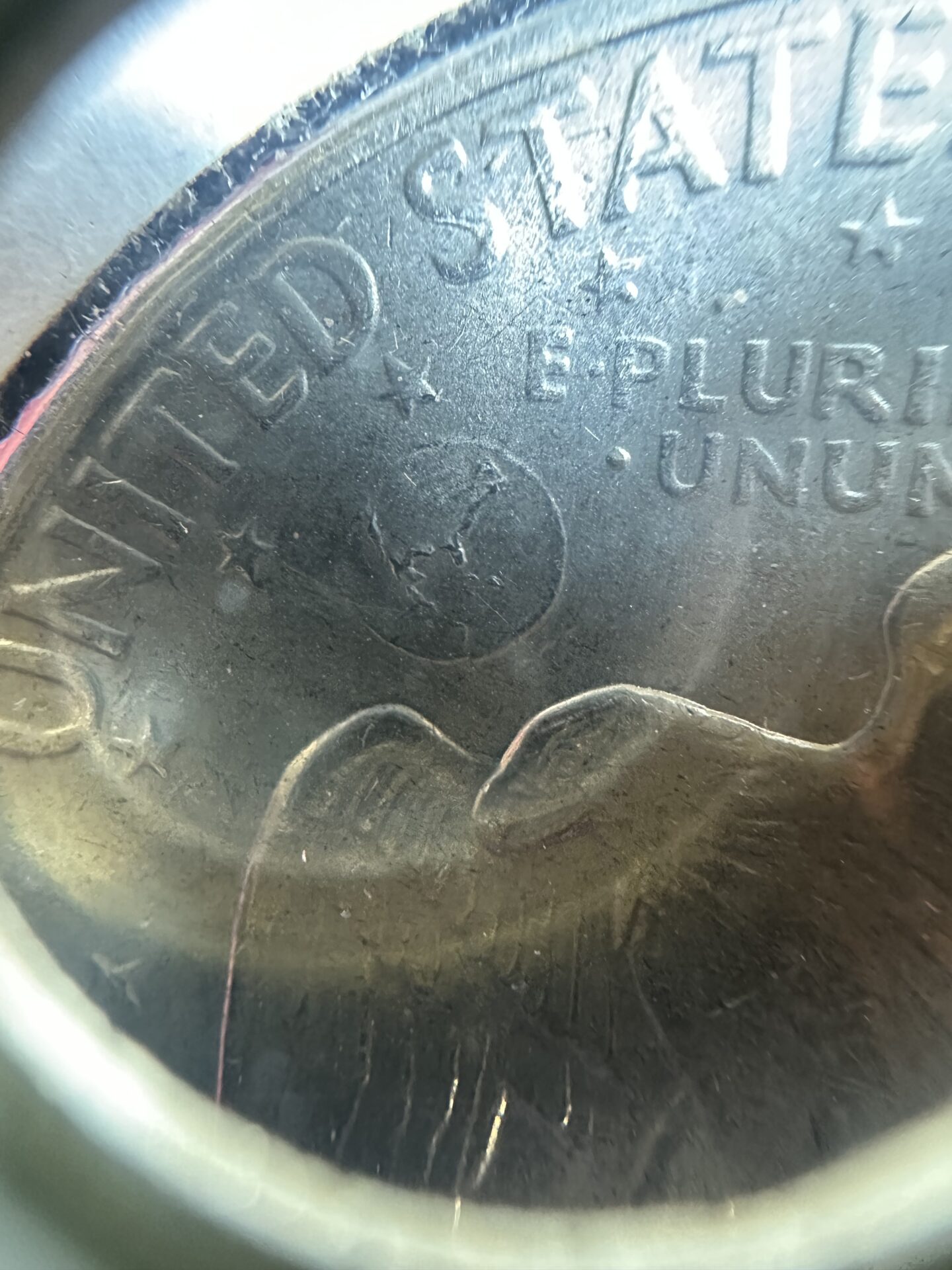
- Type 1 Reverse Earth
-
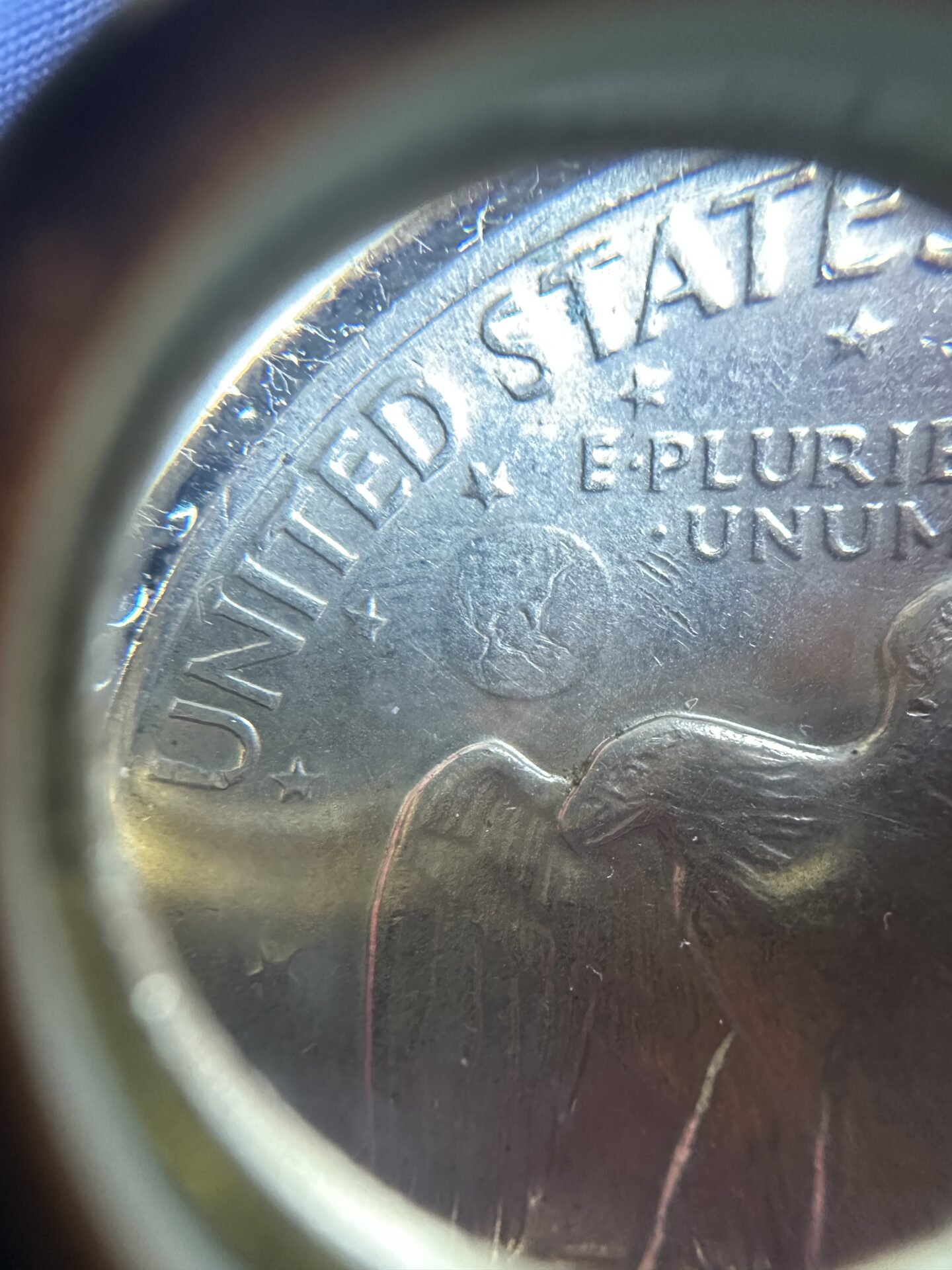
- Type 2 Reverse Earth
-
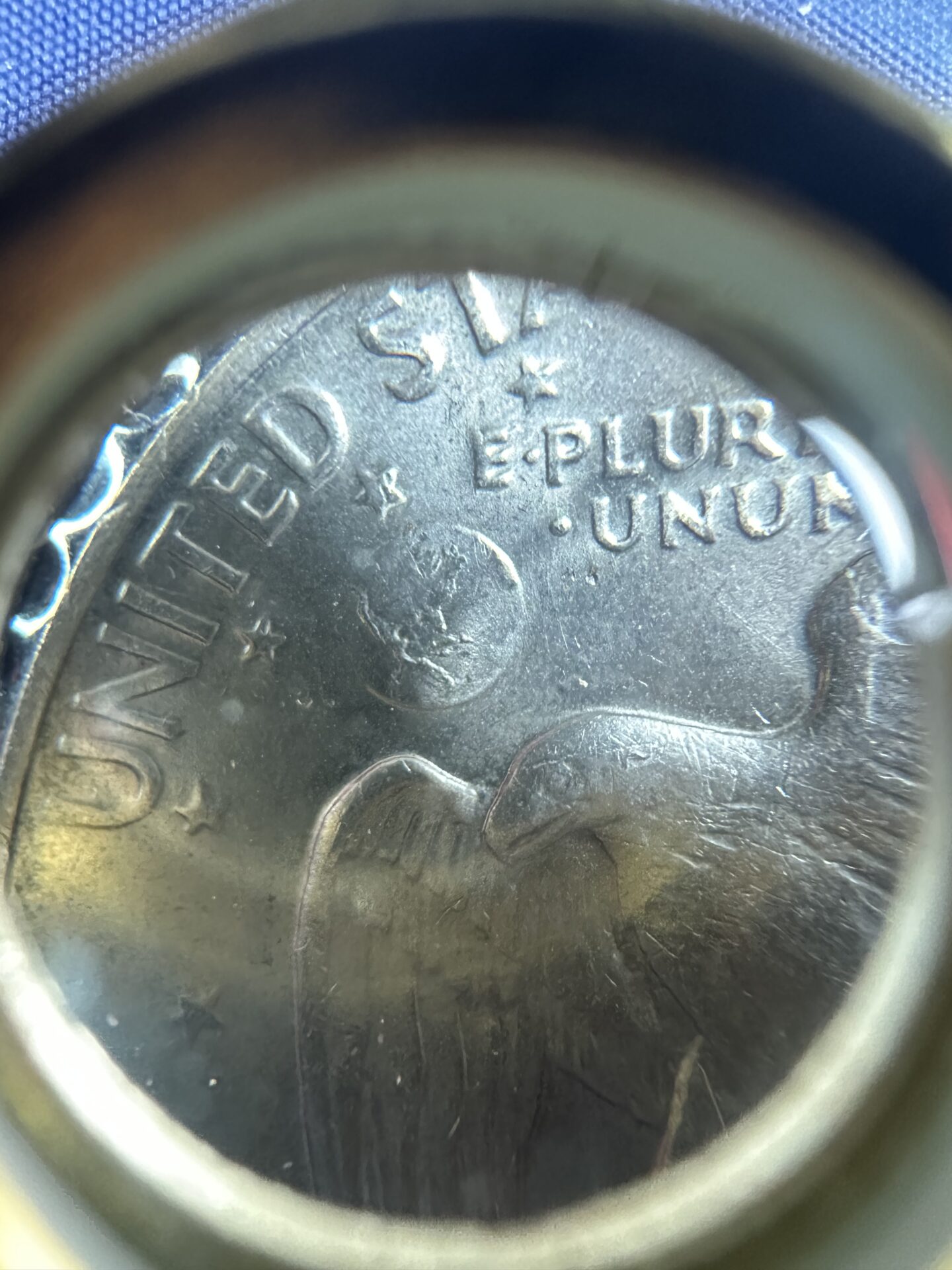
- Type 3 Reverse Earth
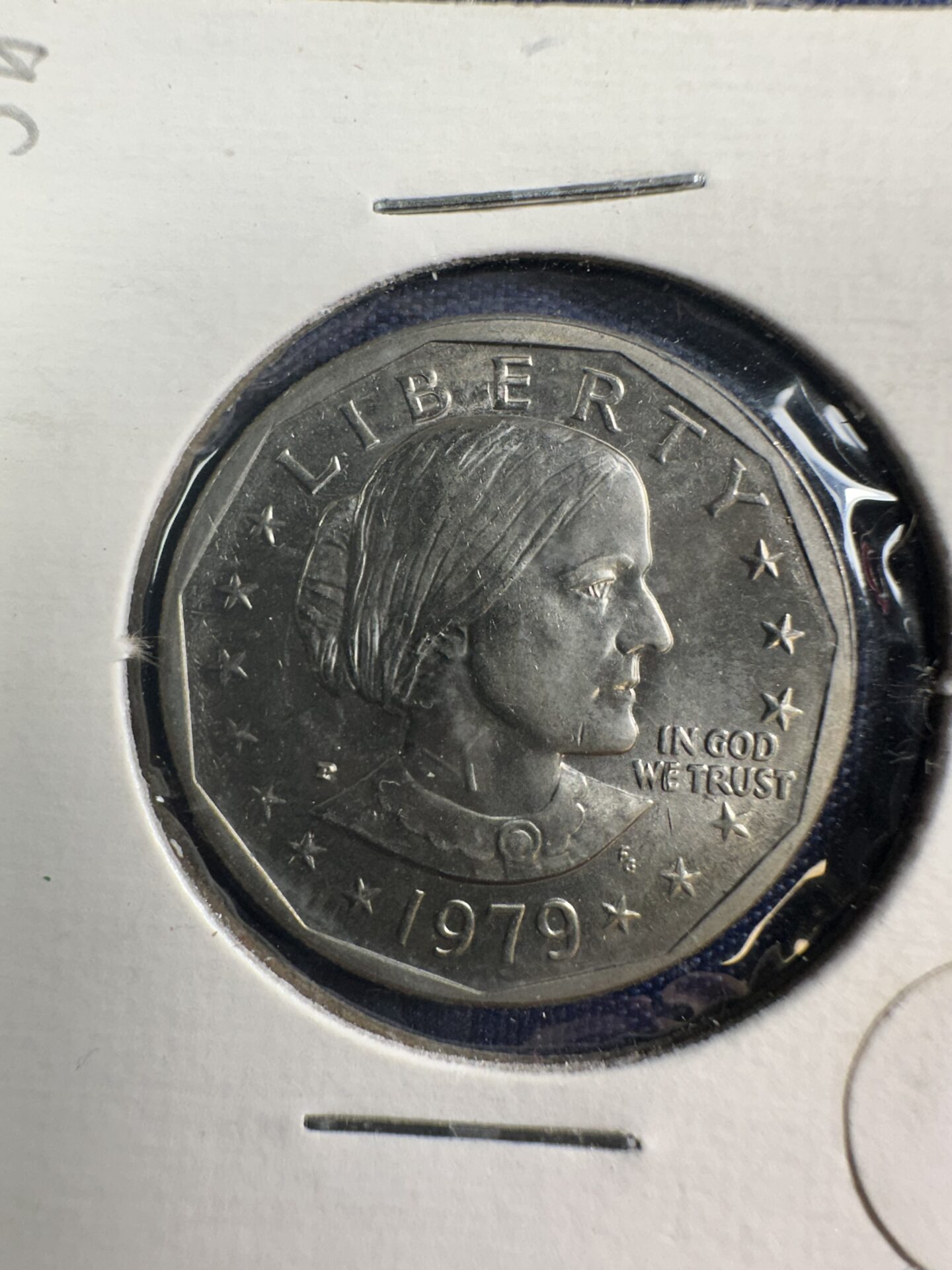
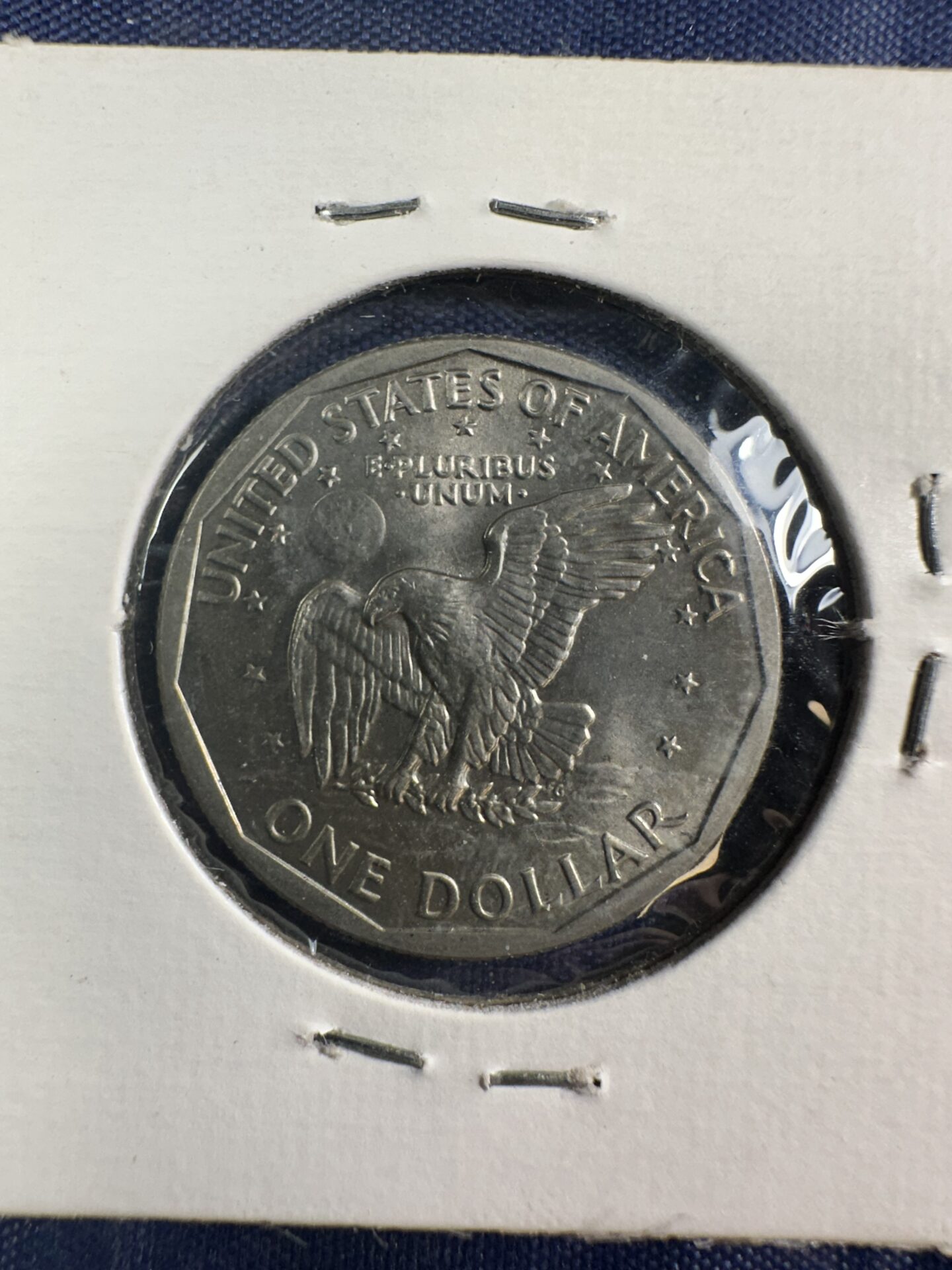
Despite (and partially because of) its significance as the first coin featuring a historical female figure, the Susan B. Anthony Dollar is possibly the least popular dollar ever made. This coin began circulating in 1978 and would only continue until 1981. Besides some critics believing that this display of a Suffragette would encourage other civil rights groups to ask for their own coins, the bulk of the criticism was practical instead of political. The Susan B. Anthony Dollar was much smaller than its predecessors, and with the lack of silver it weighed, looked, and felt much like a quarter. The coin also features a hendecagonal rim, inside the reeded circular edge are 11 lines that frame the bust and writing on the obverse, the first and only to do so.
Modern Dollar Coins
The Sacagawea dollar was a lot of things: the second non-silver or silver colored dollar coin, the second coin featuring a woman from history, the second smaller size of the dollar coin, and the first coin with a non-white bust. Starting in 2000, the Sacagawea dollars were minted with an eagle reverse until 2008. In 2009, the mint released a Native American series of coins that featured different Native American-inspired designs on the reverse, and this continued until 2012.
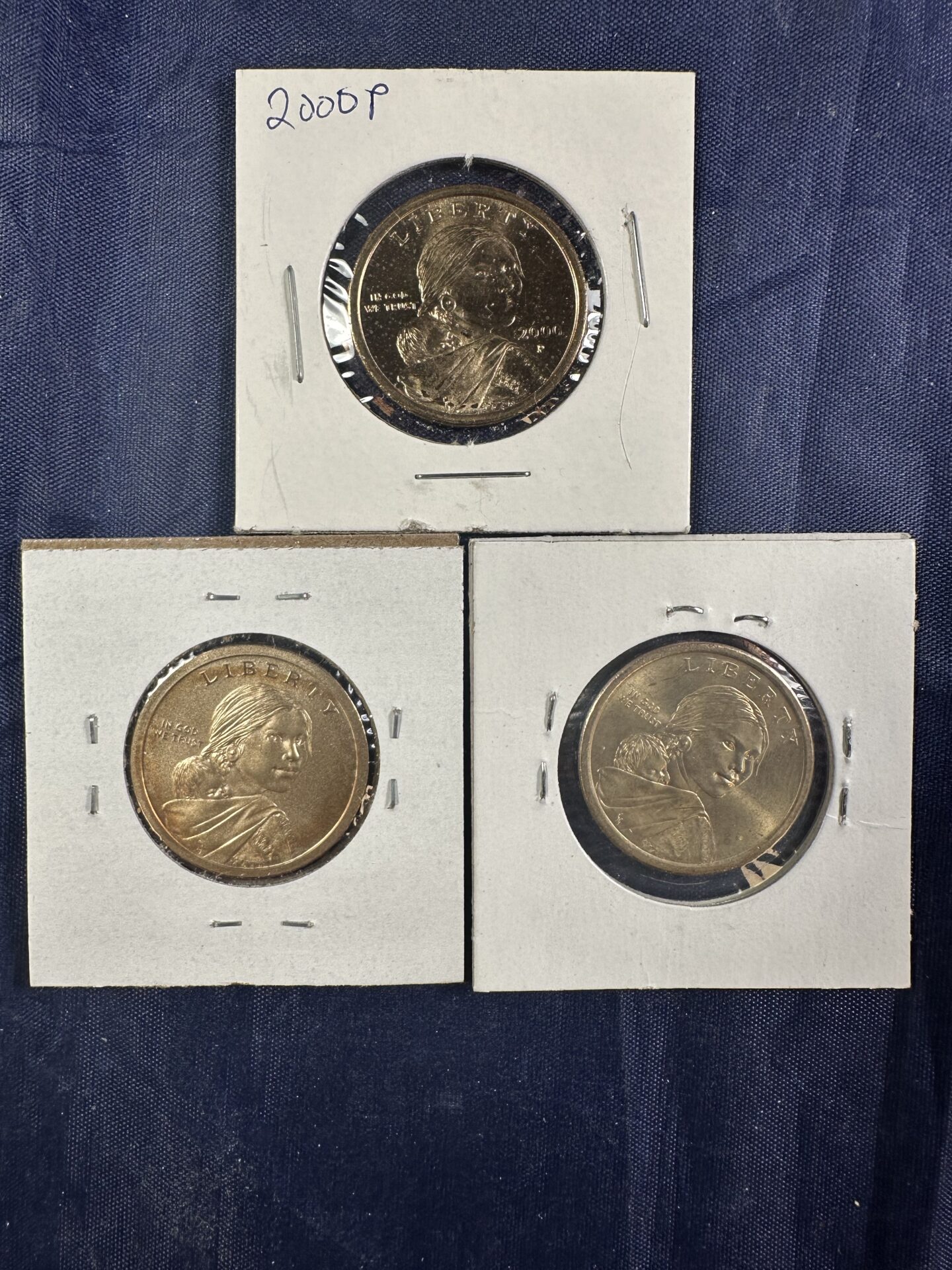
-
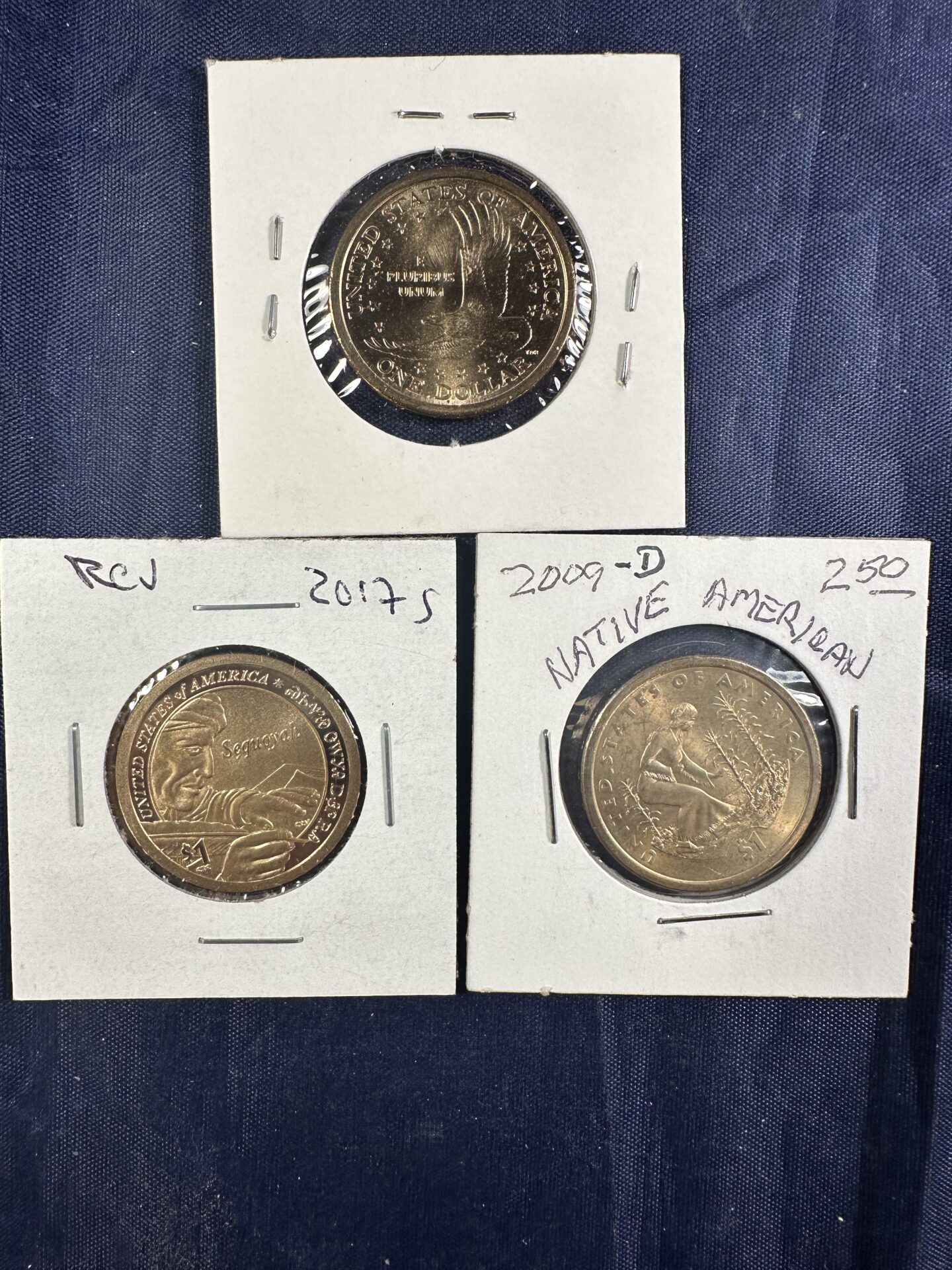
- Although two are shown, we do have one of every Native American dollar coin
During the minting of the Sacagawea and Native American dollar coins, the US Mint announced that it would be making Presidential Dollar coins, each with a portrait of the first 40 presidents. 4 Designs were minted each year from 2007 to 2016, meant to create renewed interest in dollar coins and keep coinage popular in an age of digital currency. However, this plan was largely unsuccessful among the general population. Collectors appreciated the coins, but without commercial use, the Mint relegated Presidential Dollar Coins to collectors only, selling them rather than releasing them for circulation.
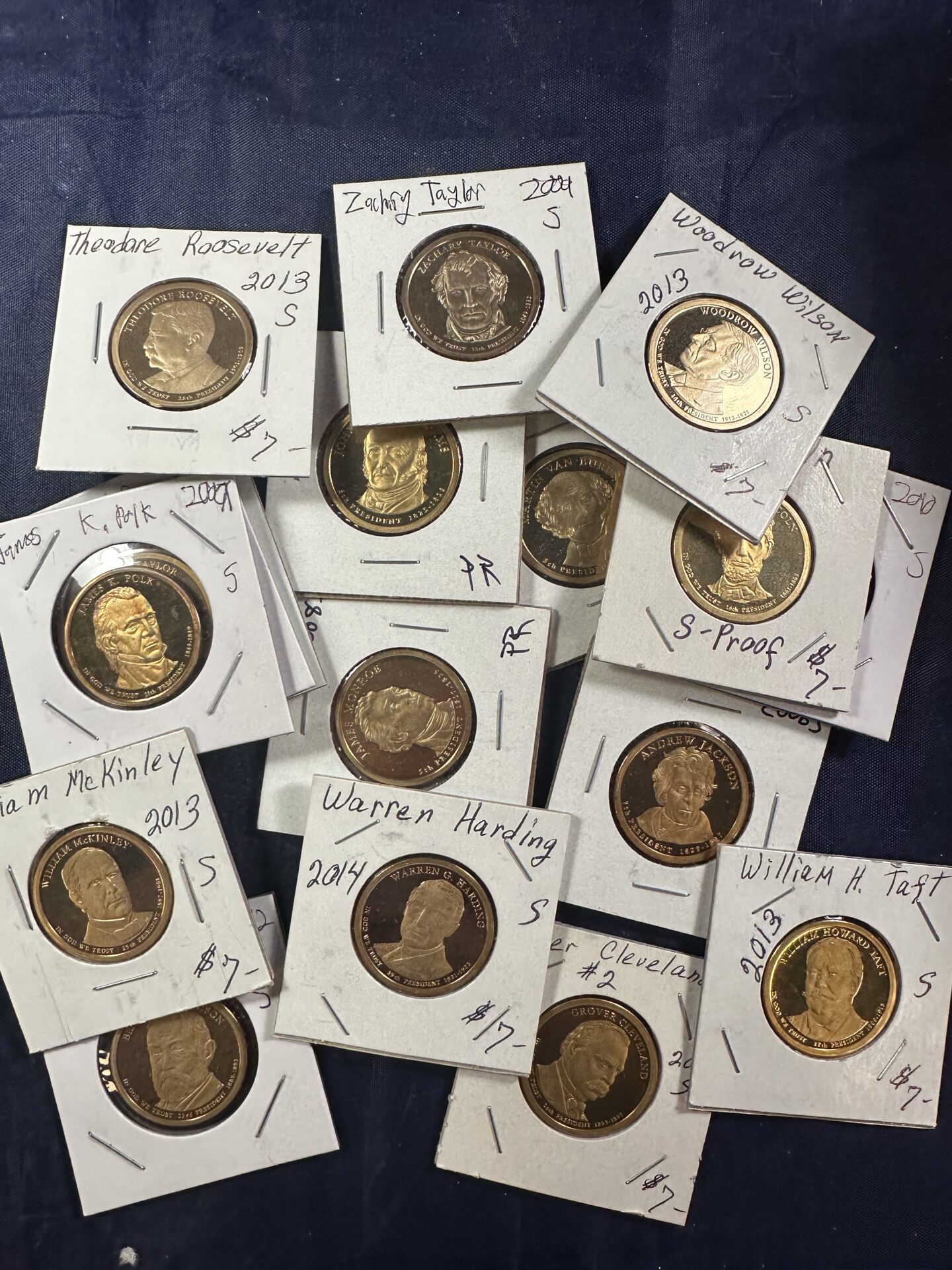
-
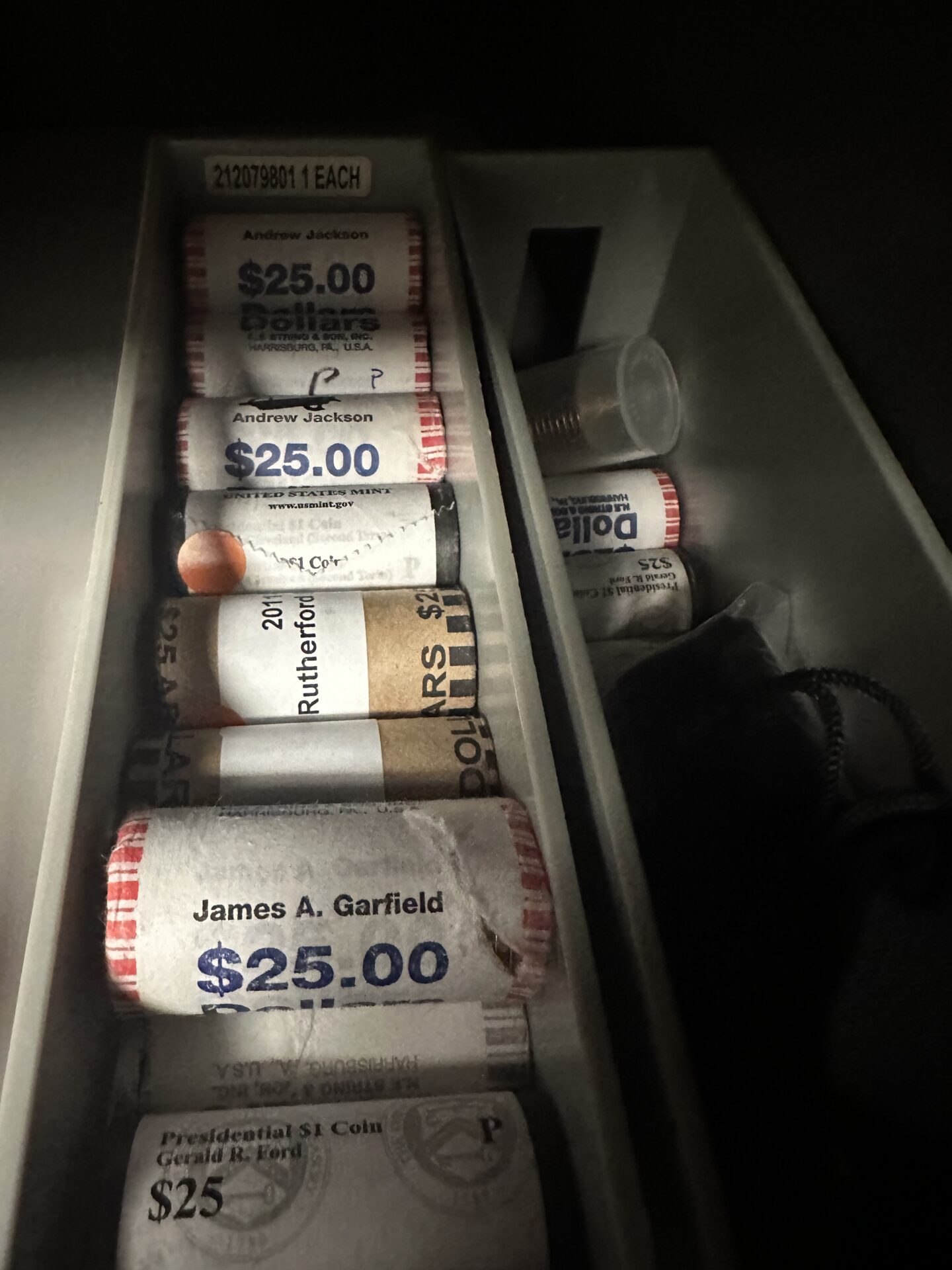
- We have an obscene amount of dollar coins.
The most recent incarnation of dollar coins was started in 2018 and labeled American Innovation Dollar coins. 4 new coins are to be released every year until 2032. The designs feature renderings of important inventions and scientific innovators from all 50 states, Washington D.C., and 5 U.S. Territories on the obverse, with the Statue of Liberty on the reverse. Like the end of the presidential dollars these coins are made only for collectors and are being sold rather than distributed.
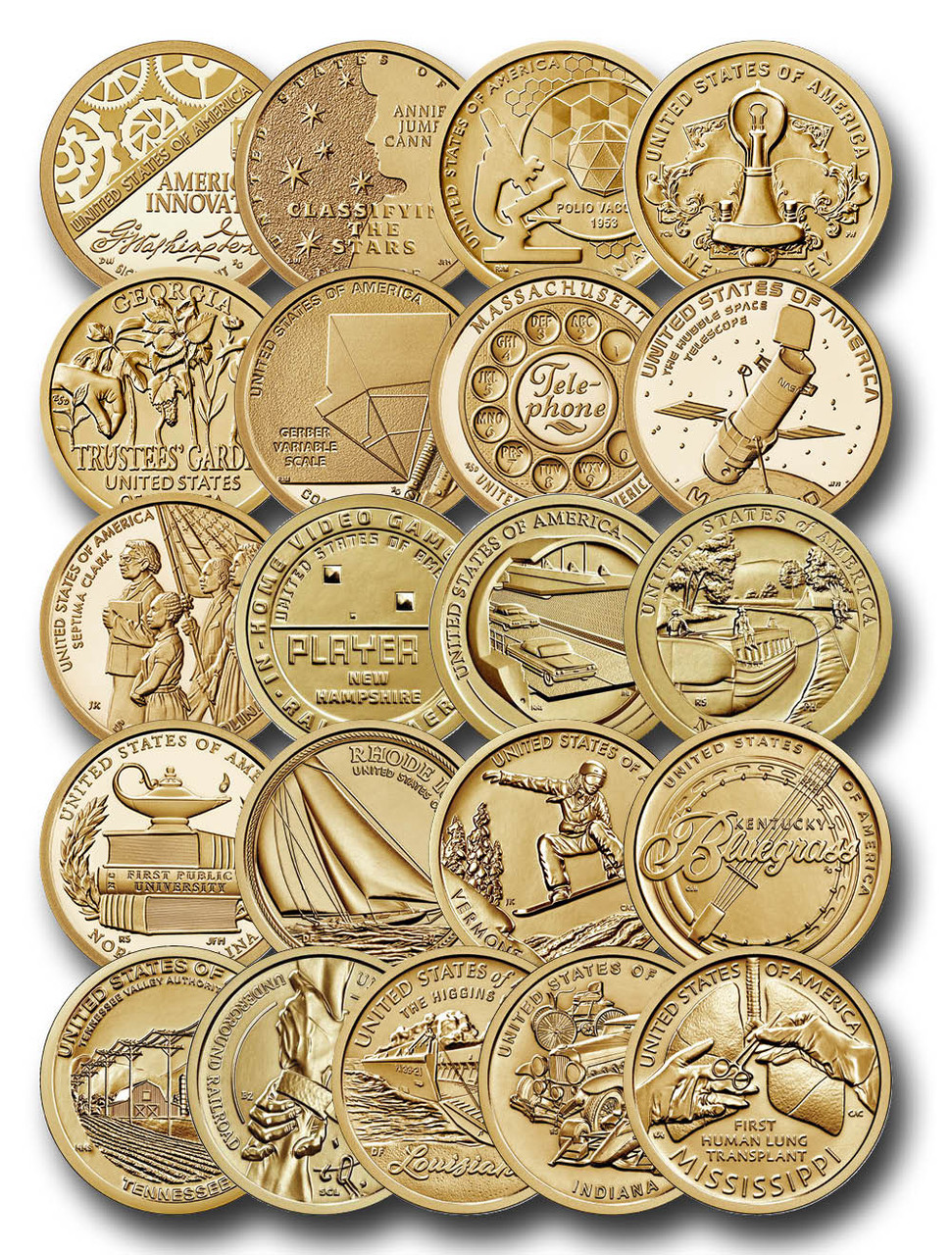
Disclaimer: We currently do not have any American Innovation Dollars in stock so this image is not of coins we have for sale
Thank you for reading!
I hope you enjoyed this not-so-brief history of Dollar Coins. I recognize there are other coins that can be considered dollar coins but I wanted to keep this list mostly for things that were circulated in the US.